5 Simple Ways to Manage Cholesterol Through Everyday Cooking
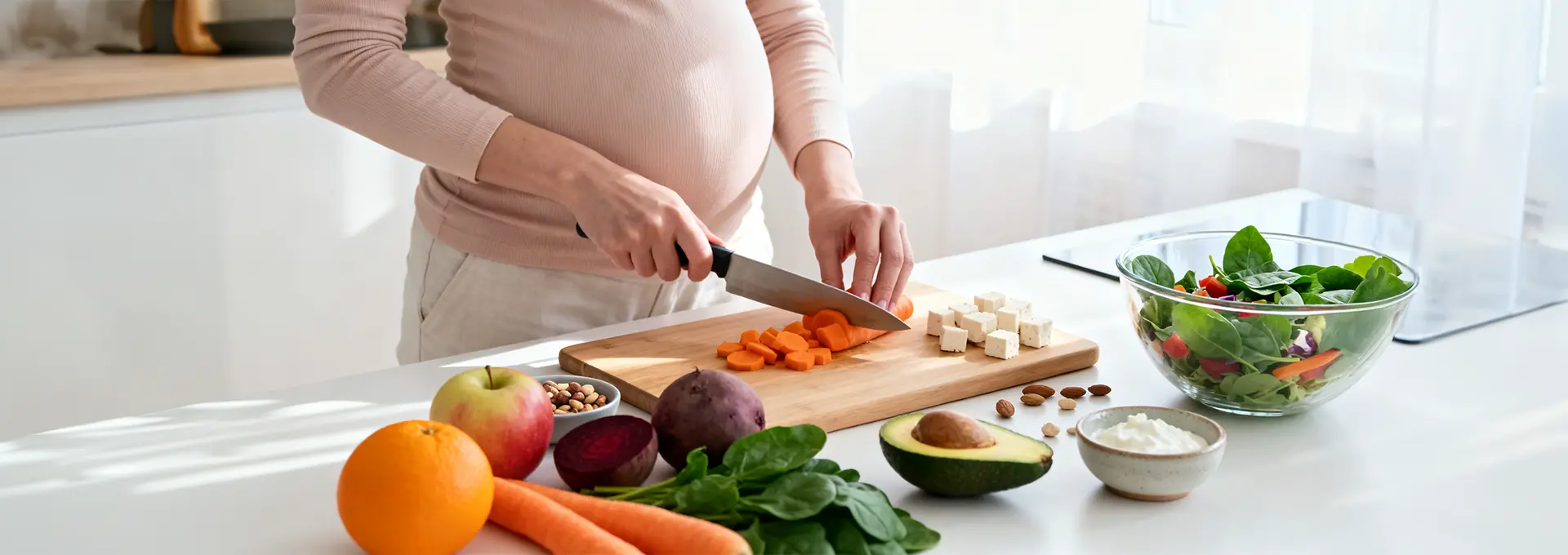
Daily cooking has a much bigger impact on cholesterol levels than we usually notice. The ingredients we choose, the oil we use, and the way we prepare food all shape our heart’s health over time. Small actions in the kitchen can make a real difference because these habits are repeated every single day. When we pick healthier options or change simple parts of our routine, we support the body in a natural way and help it maintain better cholesterol levels. This does not require major diet changes or complicated plans. It is about paying attention to the basics and building steady habits. With the right approach, everyday cooking becomes a simple but powerful way to manage cholesterol and protect the heart. These steps also help you enjoy your food without feeling restricted.
The Importance of Managing Cholesterol Levels for Heart Health
When cholesterol levels become too high, it can lead to a build-up of fatty deposits in our arteries. These deposits narrow the vessels and reduce blood flow. According to the American Heart Association (AHA), eating a heart-healthy diet and using cooking methods that minimize saturated fats, and trans-fats are key to controlling cholesterol. Managing cholesterol is not just about medication. It is about the food we cook and the oil we use. With smarter choices, we can lower cholesterol naturally through cooking. These changes support our heart health today and into the future.
Lower Your Cholesterol Naturally with these 5 Cooking Tips
Here are five clear and accessible cooking tips. Each one ties to how we prepare food and use ingredients in our everyday meals.
1. Switch to Heart-Healthy Oils
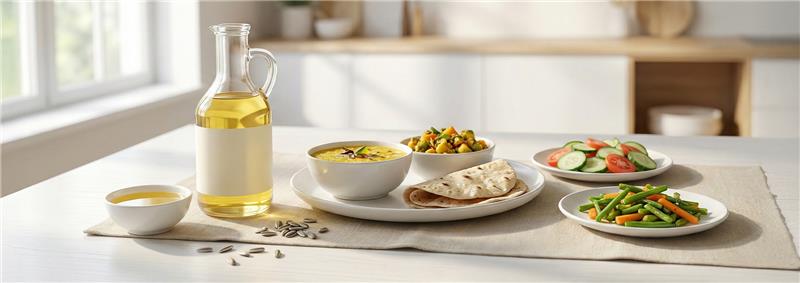
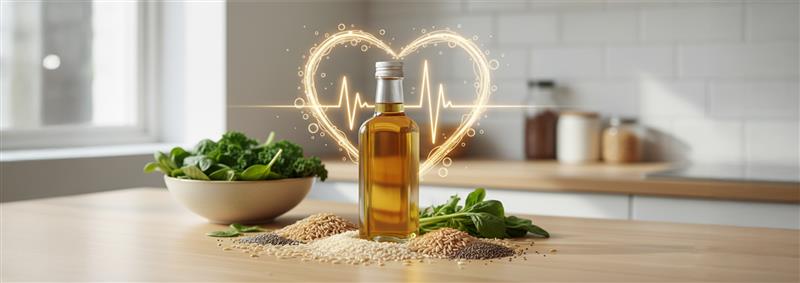
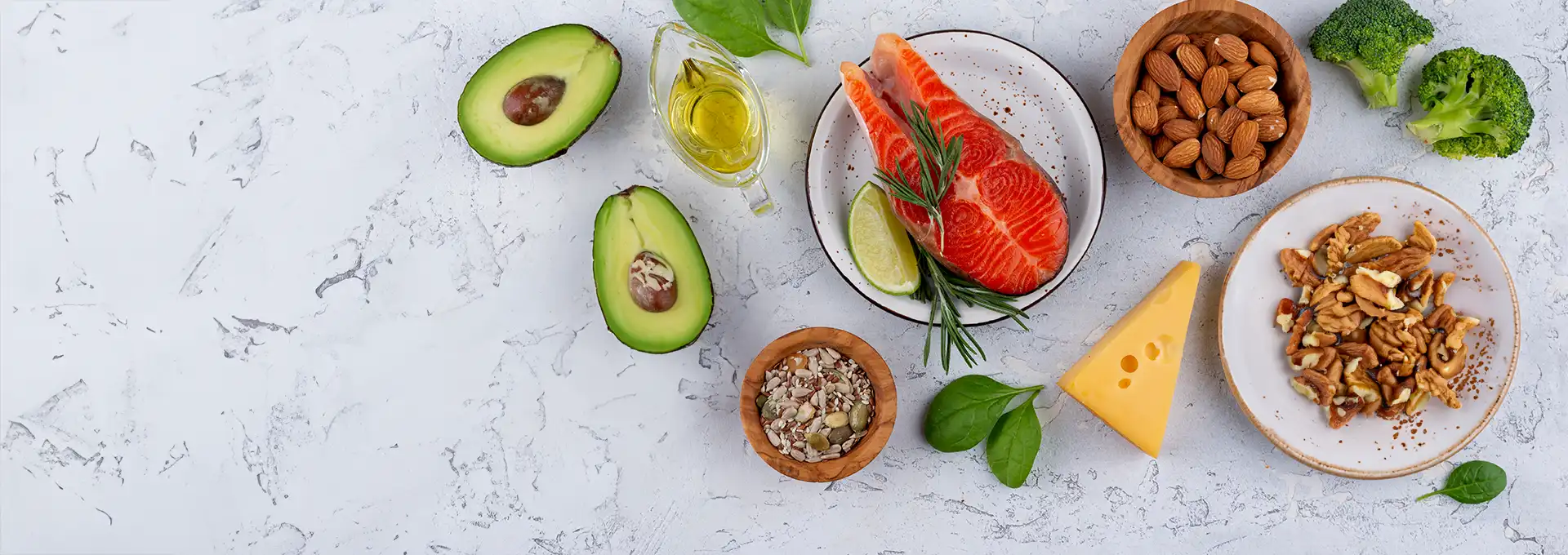
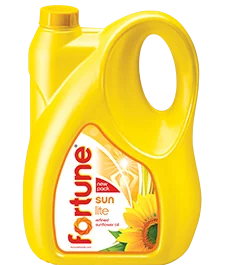
Choosing the right oil is one of the simplest and most effective changes you can make. Fortune Xpert Total Balance Oil is a strong choice because it is a blended oil made from rice bran, soybean and flaxseed oils. This mix gives the right balance of fatty acids and supports both heart health and weight management. It also carries the natural goodness of flaxseed oil and has an ideal ratio of Omega 3 and Omega 6, so you do not need to switch between different oils for different needs. The blend offers the proper balance of SAFA, MUFA and PUFA, which helps keep cholesterol in check and supports a steady, healthy lifestyle.
Liquid vegetable oils are some of the best oils for cholesterol, and these are recommended by the AHA over solid fats like butter or lard. When you choose an oil like Fortune Xpert Total Balance Oil, you turn everyday cooking into a simple and reliable step towards better heart health and a more balanced life.
2. Reduce Saturated Fats in Daily Meals
Saturated fats raise the “bad” LDL cholesterol and increase heart disease risk. The AHA recommends limiting saturated fat to less than 6% of daily calories. In cooking, you can reduce saturated fat by:
- Choose lean cuts of meat or more plant-based proteins.
- Trimming visible fat from meat and poultry.
- Avoid large amounts of butter, cream, and full-fat dairy.
These small changes make a real difference when repeated each day.
3. Add More Fibre-Rich Ingredients to Daily Recipes
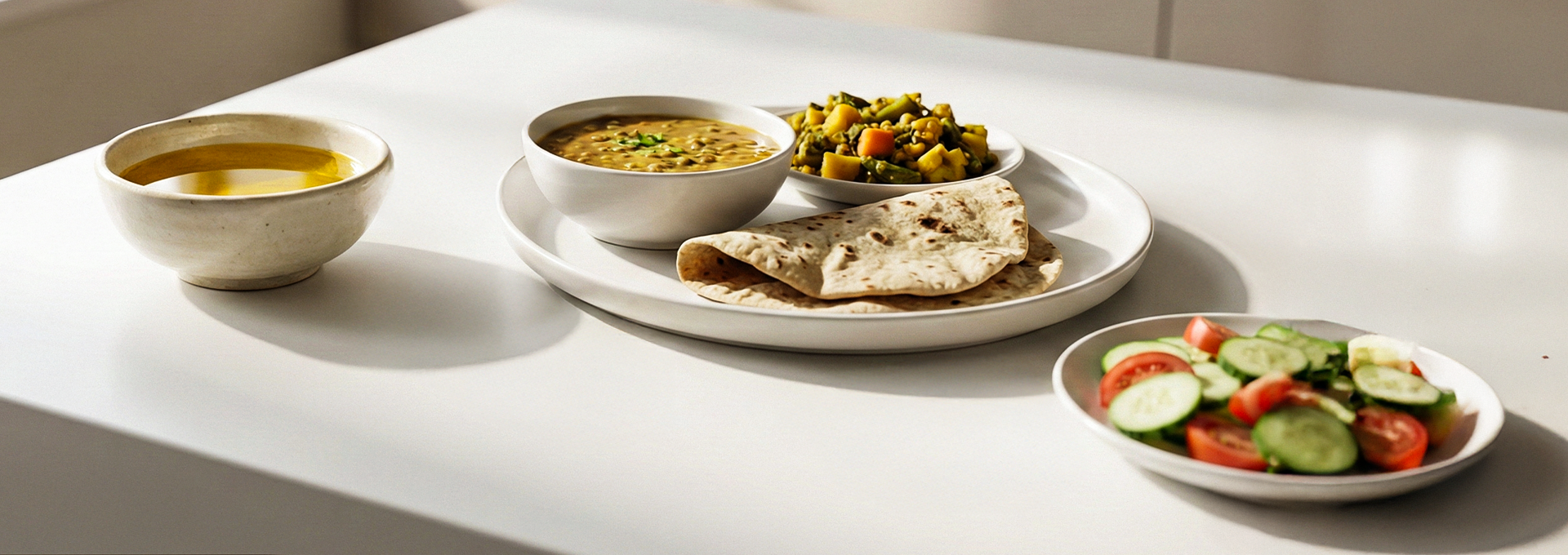
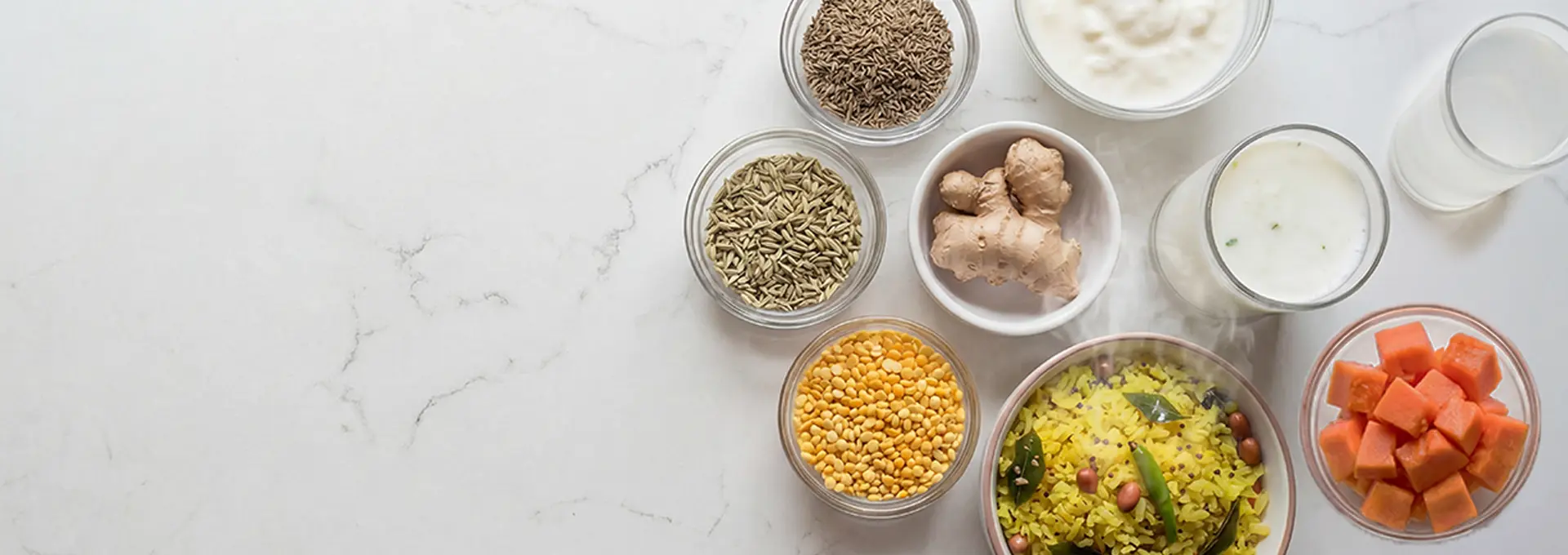
Fibre, especially soluble fibre, helps reduce the absorption of cholesterol into the bloodstream. For example, oats, beans, lentils, apples and pears are rich in soluble fibre. In your everyday cooking, you can:
- Add beans or lentils to soups and stews.
- Use whole grain versions of rice, pasta, or bread.
- Include a side of vegetables and fruits with each meal.
By making your meals more fibre-rich foods, you support a cholesterol-friendly approach.
4. Use Spices That Support Heart Health
Spices are not just for flavour, they can also support wellness. By using herbs and spices, you can reduce the need for large amounts of saturated-fat ingredients or heavy sauces. The AHA suggests using small amounts of herbs like rosemary, oregano or dill to enhance vegetables.
Some spices also help reduce inflammation and assist digestion. Including these regularly supports a broader aim of healthy cooking methods and meals that help you reduce cholesterol through cooking.
5. Opt for Healthier Cooking Methods
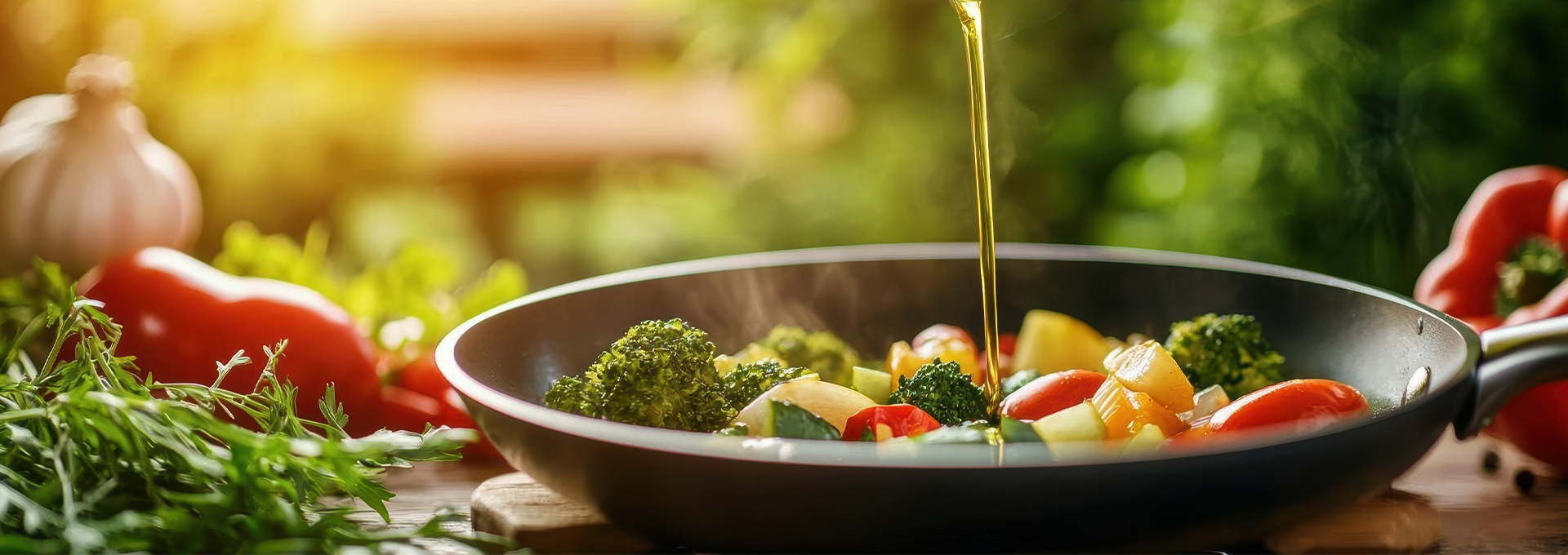
The method you cook with matters. The AHA advises cooking fresh vegetables in a small amount of oil or water, using liquid oils instead of solid fats, broiling or baking instead of frying, and draining fat where possible.
Here are ways to apply this:
- Grill or bake fish instead of frying.
- Use an air fryer or oven for fries.
- Sauté vegetables lightly in a heart-healthy oil rather than heavy butter.
These methods support the goal of everyday cooking for heart health by focusing on how foods are prepared.
Because cooking happens every day, the habits you build matter. By choosing the right oil, reducing saturated fats, adding fibre-rich foods, using helpful spices and adopting healthier cooking methods, you make a meaningful impact. With Fortune Xpert oils and a conscious approach, you are in control of how you manage cholesterol in your home kitchen. Cooking every day becomes a tool to lower cholesterol naturally, support your heart health and enjoy meals with confidence.
FAQs
Can daily cooking habits help manage cholesterol?
Yes. By adopting cooking habits that reduce saturated fats and favour heart-healthy oils and methods, you can make a real difference to your cholesterol over time.
Which cooking oil is best for lowering cholesterol?
A blended oil that balances fatty acids and uses unsaturated fats is a strong choice. Fortune Xpert Total Balance Oil blends rice bran, soybean and flaxseed oils and offers the right mix of healthy fats. Its balanced Omega 3 and Omega 6 ratio helps support cholesterol and heart health in daily cooking.
Are blended oils good for cholesterol?
They can be helpful if they are made with good unsaturated oils and have a balanced mix of fatty acids. Fortune Xpert Total Balance Oil is one such blended oil that supports heart-healthy cooking and fits easily into everyday meals.
Should I switch oils regularly?
If you use well-balanced oil for cooking daily, frequent switching is not essential. Consistency with good oil is more important.
How can I reduce cholesterol without changing my entire diet?
Start with small, sustainable moves: use heart-healthy oils, cut out excess saturated fat, add more fibre-rich foods, and cook using healthier methods. These changes built up over time.